Qualifying life event (QLE)
Summary definition: A significant change in an employee's life that allows them to enroll in or modify health insurance benefits outside the normal open enrollment period.
What is a qualifying life event (QLE)?
A qualifying life event (QLE) is a health insurance term describing a major change in an employee's circumstances that permits enrollment in, or adjustment to, current coverage outside the standard open enrollment (OE) window.
In other words, a qualifying life event for insurance removes the usual restriction that limits benefit changes to a single yearly window. Common qualifying life events include marriage, divorce, the birth or adoption of a child, relocation, and loss of existing coverage.
The concept gained national prominence through the Affordable Care Act (ACA), which established consumer protections governing when individuals may adjust coverage. As a result, a qualifying event (a.k.a. life qualifying event) functions as the legal trigger that permits mid-year enrollment changes for both individual and employer-sponsored plans.
Key takeaways
- A qualified life event for health insurance allows employees to enroll in or modify health insurance benefits outside normal open enrollment periods.
- Common life events for insurance include marriage, divorce, childbirth, relocation, and loss of coverage.
- Qualifying events insurance typically allows a special enrollment period lasting up to 60 days after the event.
What are special enrollment periods?
Public and employer-sponsored plans normally restrict plan enrollment or changes to one annual OE period. The annual ACA enrollment window, for example, runs from November 1 through January 15.
If, however, a qualifying life event for health insurance occurs outside that window, it usually triggers a special enrollment period (SEP) during which a plan participant can make the same type of adjustments (e.g., enroll in a new plan, switch plans, or add and remove dependents).
SEPs commonly allow participants up to 60 days after the health insurance qualifying event to make changes, though the exact duration can vary depending on the plan or type of life changing event insurance carriers recognize.
For employers, accurately and promptly processing qualifying events for insurance reduces noncompliance risks and reinforces a positive employee experience.
Learn more: ACA compliance guide for employers
Qualifying life event types
Participants should consult their specific plan documents for a complete list of qualifying life events, but most qualifying events for health insurance fall into one of the following scenarios:
- Changes in household: Changes to an employee’s household status
- Changes in residence: Updates to an employee's physical address
- Loss of health coverage: An individual’s coverage through someone else’s insurance plan (e.g., a spouse, a parent, etc.) ends
- Other qualifying events: Miscellaneous events that don't fit in other categories
Examples of qualifying life events
Again, participants should consult their plan’s specific documentation for a comprehensive list of health insurance coverage qualifying events. However, some common examples include:
| Change type | Change examples |
|---|---|
| Changes in household |
|
| Changes in residence |
|
| Loss of health insurance |
|
| Other qualifying events |
|
Since an insurance qualifying event can be planned or unexpected, employers benefit from systems that automatically flag eligibility changes. Coordinating these updates through a centralized benefits administration platform further reduces manual tracking needs and helps maintain accurate, compliant records.
What to do after experiencing a qualifying life event for insurance
After a health insurance life changing event, the affected individual should act promptly, as eligibility windows are time-limited. The three most common steps are:
- Verify the enrollment deadline: Most plans allow changes within 30 or 60 days of the qualified life event. Missing this window typically means waiting until the next open enrollment period.
- Submit documentation: Changes due to a health insurance life event usually require proof, such as:
- Marriage certificates
- Birth certificates or adoption papers
- Court-filed divorce papers
- Death certificates
- Proof of residency for prior and new addresses
- Termination letters
- Confirm coverage dates: Verify the date eligibility is approved, when coverage begins, and when the first premium is due.
Furthermore, since a qualifying event for health insurance can intersect with payroll deductions, carrier updates, and compliance reporting, employers often benefit from partnering with a service provider that can consolidate these functions in one place while managing flexible benefits (e.g., flexible spending accounts (FSAs), health savings accounts (HSAs), or health reimbursement arrangements (HRAs)).
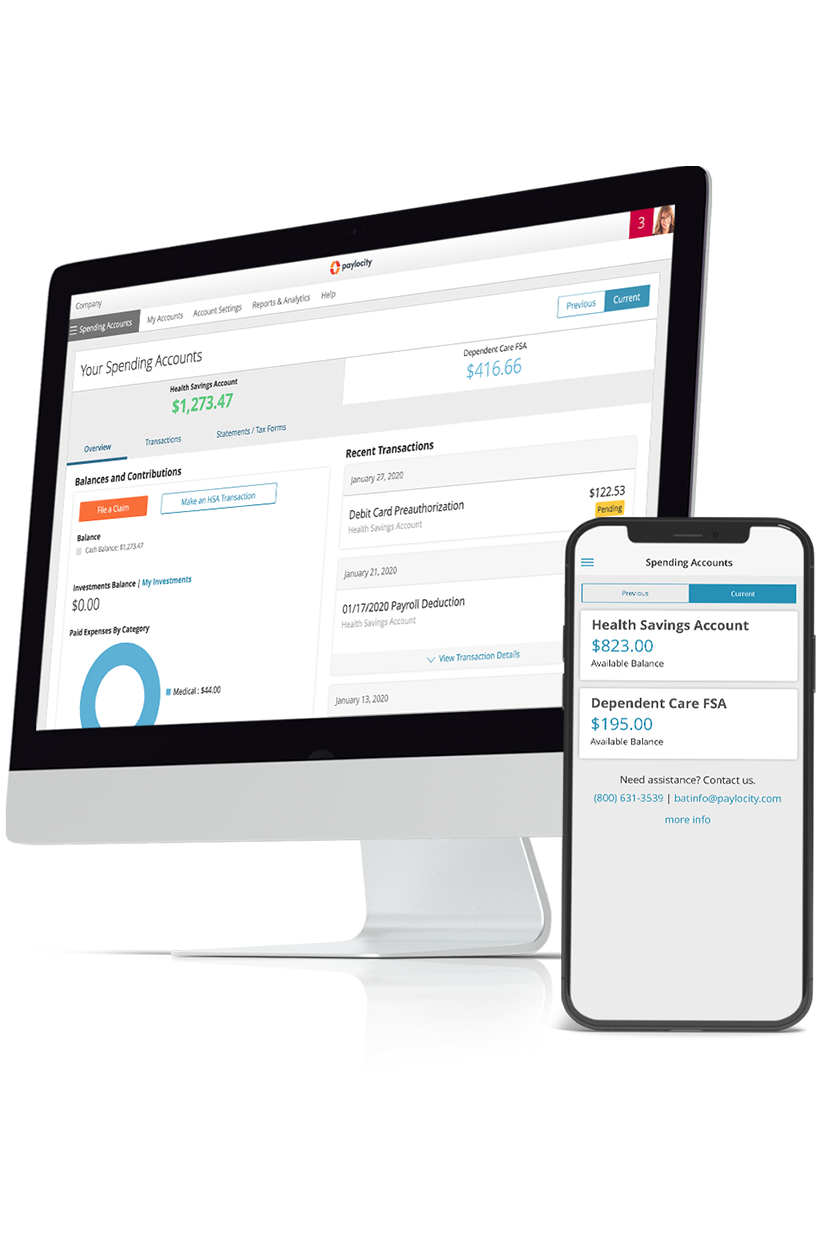
Optimize your benefits experience
Help your employees get the most out of their benefits while getting time back in your day through smart automation. With all-in-one tools, kicking off open enrollment and administering third-party benefits services like FSAs, HSAs, and more is a breeze! And employee experience features like integrated training and expert groups, all available on the go, ensure your employees are making informed decisions.