Sideways Management
Summary Definition: The practice of laterally leading and influencing peers across the same organizational level.
What is Managing Sideways?
Sideways management, also known as managing sideways, is the practice of leading and influencing peers and colleagues across the same organizational or hierarchical level, without relying on direct authority.
Unlike traditional, vertical management, this lateral leadership centers on fostering collaboration, building mutual trust, and driving collective outcomes across departments or teams.
Key Takeaways
- Managing sideways means leading and collaborating with peers across teams by using influence rather than formal authority.
- Lateral leadership skills are essential for cross-functional success, as it helps professionals align priorities and solve problems without relying on traditional hierarchical structures.
- To manage sideways effectively, focus on building rapport, setting clear goals, and encouraging shared responsibility among team members.
What’s the Difference Between Managing Up, Down, and Sideways?
Managing up, down, and sideways involves distinct goals, expectations, and communication as shaped by an organization's structure:
| Direction | Focus & Skills | Relationship Style |
| Managing Up | Align with leaders by communicating proactively, prioritizing goals, and thinking strategically. | Hierarchical (i.e., upward communication to leadership) |
| Managing Down | Guide teams via coaching, feedback, and clear delegation. | Hierarchical (i.e., responsible for direct reports) |
| Managing Sideways | Coordinate with peers through shared accountability and active collaboration. | Lateral (i.e., equal standing without formal reporting or authority) |
Why is Sideways Management Important?
Collaborative, cross-functional workplaces demand more than just managing up and managing down with senior leaders or direct reports. They also require the ability to lead across peer relationships.
In other words, as work environments become more matrixed, professionals are often expected to partner with colleagues who don’t share the same chain of command, timelines, or priorities.
A lateral leadership style fills this gap by enabling professionals to influence without authority, ensuring alignment across teams that would otherwise operate in silos. When done effectively, it fosters confidence, fuels open communication, and reinforces a shared flow of information.
Sideways Management Techniques
Sideways management is most effective when approached with intention and structured goals, such as:
- Building trust: Show reliability, transparency, and consistency in day-to-day interactions to earn credibility with colleagues.
- Communicating thoughtfully: Prioritize active listening and clear messaging. Tailor communication styles to each peer’s needs, and keep shared goals front and center.
- Prioritizing early alignment: Clarify expectations, timelines, and responsibilities at the start of any cross-functional project to minimize confusion and avoid duplicated efforts.
- Proactively resolving conflicts: Address misunderstandings promptly and professionally. Focus on outcomes, not egos, to maintain a productive working relationship.
- Emphasizing shared accountability: Encourage a team mindset where all employees feel ownership over the results, reinforcing commitment and follow-through.
Benefits of Managing Sideways
Teams that master a sideways management style tend to be more agile, collaborative, and aligned, resulting in smoother workflows, faster decision-making, and greater resilience, as they’re less dependent on top-down direction.
Additionally, professionals who excel at sideways management often gain greater visibility across the organization by building stronger networks and are better positioned for leadership role opportunities.
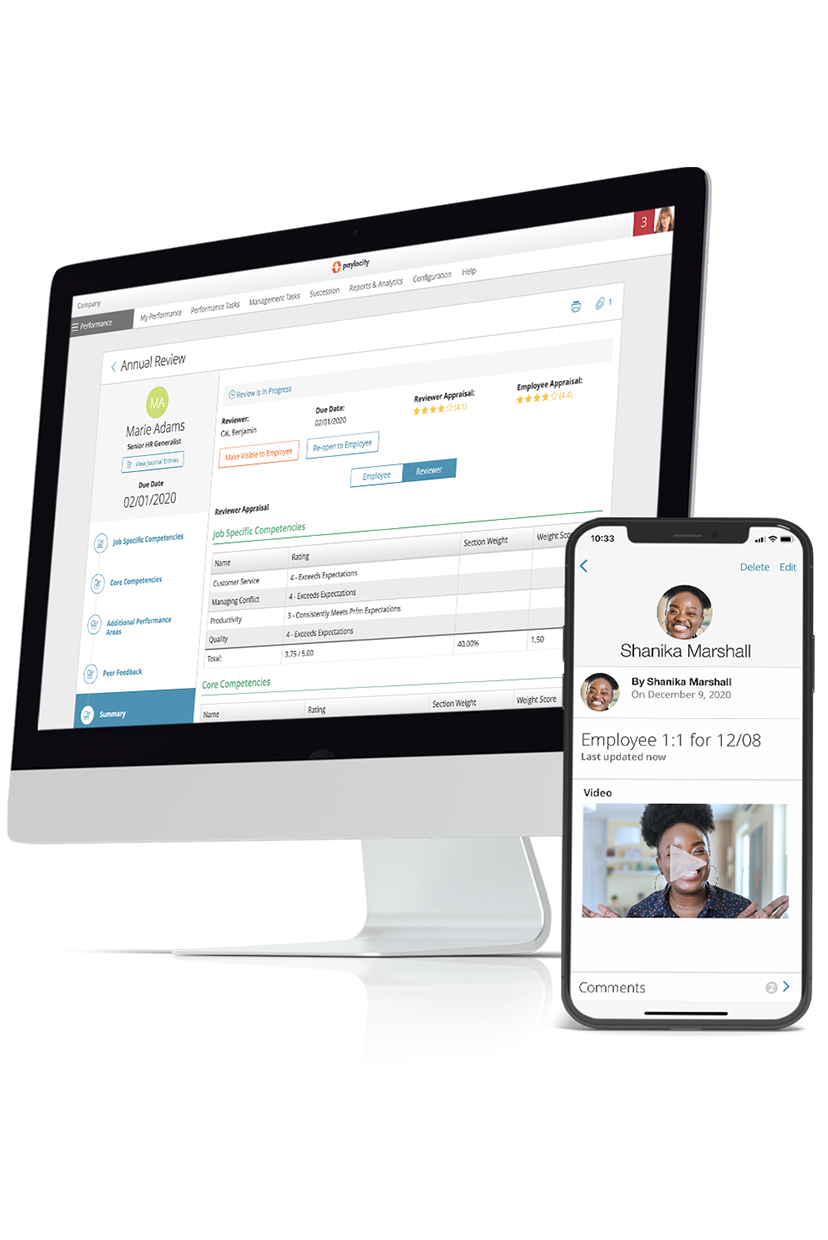
Level Up Employee Performance
Help your employees reach their full potential with modern performance management tools. From goal setting to personalized reviews and ongoing feedback, our solutions enable transparent, two-way communication and encourage employees to take ownership of their growth. Employees expect continuous development and support — give it to them with Performance Management from Paylocity.