Offboarding
Summary definition: The formal process of managing an employee's departure when they leave the company.
What is offboarding?
Offboarding is the structured process for an employee's transition out of an organization (i.e., the opposite of onboarding).
Since the process can vary across organizations, the term offboarding means anything from administrative tasks (e.g., revoking system access and processing final pay) to knowledge transfer, exit interviews, and ensuring continuity for the team left behind.
Why does offboarding employees matter?
Operationally, a structured offboarding process ensures important action items are always completed. Moreover, offboarded employees are more likely to feel valued on their way out, increasing the chances that they’ll speak positively about their experience, refer future candidates, and remain open to returning as boomerang employees down the line.
How an organization chooses to offboard workers sends a signal to remaining employees. Seeing colleagues treated with care and professionalism on the way out reinforces trust in leadership and strengthens the overall employee experience, making onboarding and offboarding different, but equally important, sides of the same coin.
Best practices for successful offboarding
A consistent, well-managed employee offboarding process protects the organization, supports the departing employee, and sets the remaining team up for a smooth transition. To that end, there are several best practices employers can employ:
- Start the process early: As soon as notice is given, initiate the offboarding checklist, assign clear task owners, and set appropriate deadlines.
- Standardize process items: Create a repeatable, adaptable employee offboarding framework that applies to all departments and seniority levels.
- Train managers on their roles: Ensure managers understand their responsibilities for team communication, knowledge transfer, and ensuring a smooth send-off.
- Use offboarding software: Purpose-built employee offboarding software helps HR teams automate task assignments, track completion, and ensure consistency across every departure.
- Conduct an exit interview: Look for themes over time and use them to inform retention strategies, management development, and policy improvements.
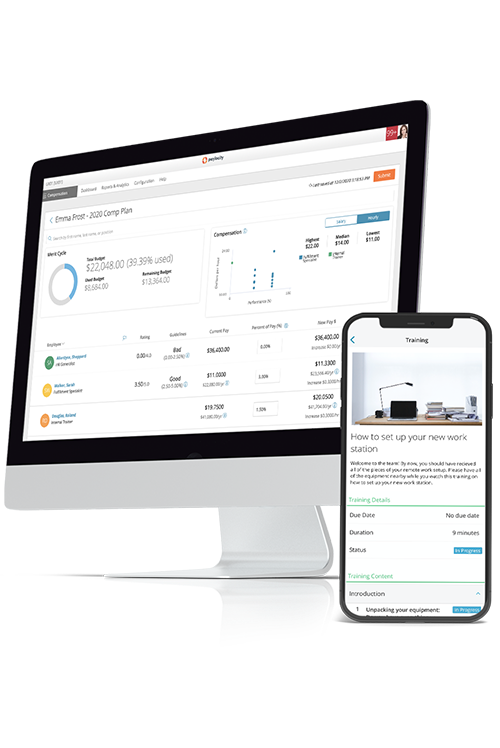
The Tools You Need to Attract and Retain
Attract, engage, and retain top talent with a comprehensive platform designed to support every stage of the employee journey. From recruiting and onboarding to development and retention, our tools offer a seamless experience that’s tailored to the needs of the modern workforce.