Voluntary time off
Summary definition: An employer policy that allows employees to take approved, unpaid time away from work during periods of reduced business demand.
What is voluntary time off?
Voluntary time off is a workplace policy that allows employees to take unpaid time off when business demand temporarily slows and full staffing isn't needed.
Rather than requiring employees to work during low-activity periods (or resorting to mandatory layoffs or forced hour reductions), employers can offer voluntary time off, meaning they give workers a choice and a role in how the organization manages its labor costs.
Voluntary time off is therefore common in industries with fluctuating demand and workloads that shift significantly from one period to the next (e.g., retail, manufacturing, hospitality, and customer service).
Key takeaways
- Voluntary time off is an employer policy that allows workers to take unpaid time off during periods of reduced business demand, without penalty.
- This differs from volunteer time off, which is a form of paid time off (PTO) reserved for community service and charitable activities.
- A clear voluntary time off policy, including how time is requested, approved, and treated relative to other employee benefits, is essential for fair and consistent administration.
Voluntary time off vs. volunteer time off: What's the difference?
Voluntary time off is unpaid leave offered by the employer during periods of low business demand. It serves as a workforce management tool to align staffing with workload while giving employees a degree of choice over their schedules.
Volunteer time off, conversely, is paid time off (PTO) to volunteer in community service or charitable activities during work hours. Employees receive their regular compensation while volunteering, and the time is typically separate from their standard PTO balance.
What are the benefits of a voluntary time off policy?
When implemented well, a voluntary time off policy creates a win-win for employers and employees alike.
| Employer benefits | Employee benefits |
| Cost management: Unpaid time off is a cost-effective alternative to overstaffing, mandatory hour reductions, or layoffs during slow periods, helping employers align labor costs with actual business demand without disrupting the broader team. | Autonomy and flexibility: Voluntary time off gives employees an often-appreciated degree of control over their schedules, particularly for those who welcome additional personal time or have caregiving responsibilities. |
| Morale preservation: Because participation is voluntary, employees retain control over their schedule and earnings, preserving goodwill in a way that forced measures rarely achieve. | No penalty for opting out: As the time off is entirely voluntary, employees who prefer to work and maintain their earnings can do so without consequence. |
| Workforce flexibility: This type of time off gives HR and workforce management teams a flexible lever for managing staffing levels during periods of low demand without resorting to more disruptive measures. | Trust signal: When communicated and administered fairly, this form of time off signals that the organization respects employees' ability to make decisions that work for them. |
How to create a voluntary time off policy
A clear, consistently applied time off policy is essential for fair administration and employee trust. Key elements to address include:
- Eligibility definition: Determine which employees are eligible for time off based on employment status, department, tenure, or role.
- Request and approval process: Outline how voluntary time off is offered, how employees opt in, how much notice is required, and how conflicts are resolved when more employees request time off than the employer can accommodate.
- Pay and benefits treatment: Specify whether employees may use accrued PTO instead of volunteer time off, and how the absence affects benefits, accruals, or eligibility thresholds.
- Communication standards: Define how and when time off opportunities will be communicated to employees. Clarity and consistency are key to ensuring the policy feels fair.
- Overview of leave types: Ensure the policy clearly distinguishes between voluntary time off, volunteer paid time off, sick leave, and other forms of leave to avoid confusion.
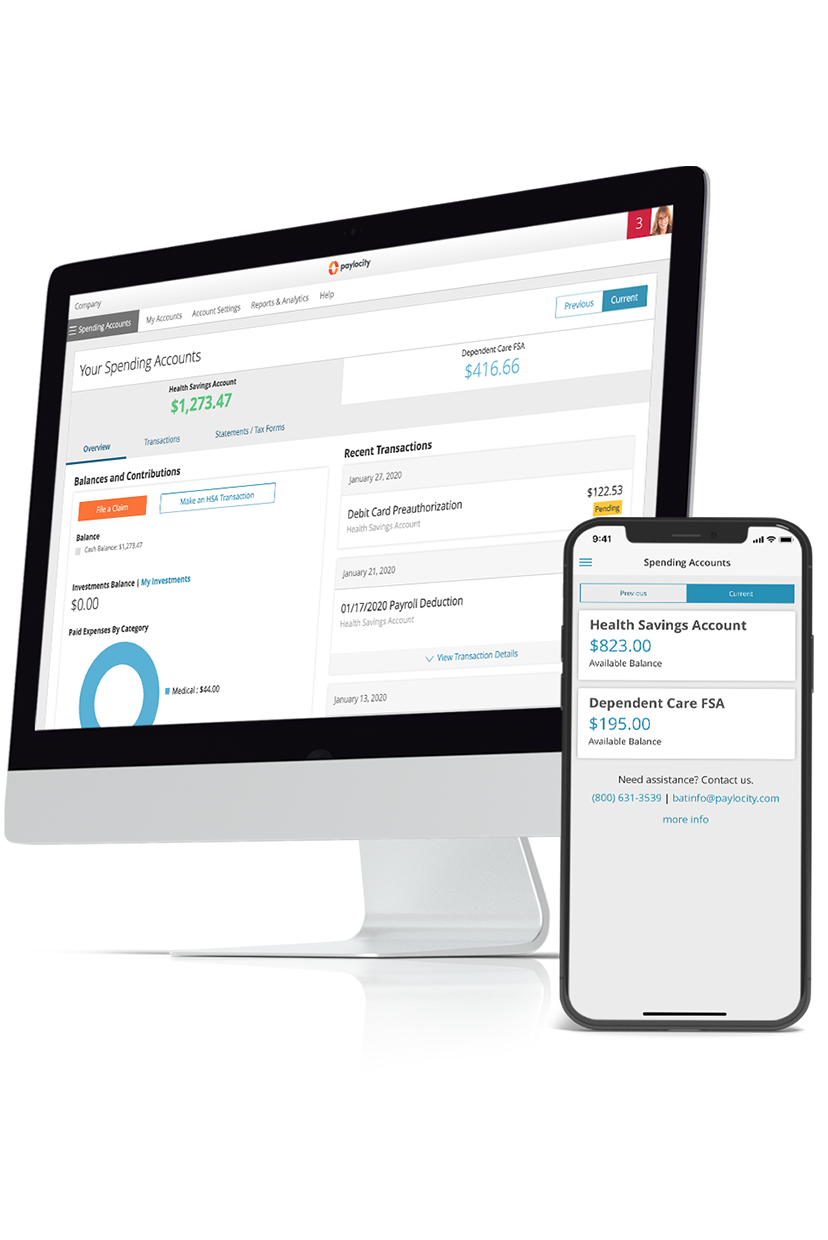
Flexible Benefits, Anytime, Anywhere
Simplify benefits management with an all-in-one platform that connects seamlessly to Payroll. Say goodbye to endless questions about balances and policies across multiple providers. With our Flexible Benefits solution, employees can manage their benefits from one place, while you save time, ensure compliance, and reduce costs. Maximizing third-party administrative offerings has never been easier — for you and your team.