
Anticipating Workforce Trends in 2026: What HR Leaders Are Really Preparing For
As you look ahead to 2026, one thing’s clear: HR priorities are sharper than ever, but getting things done is more challenging.
Paylocity’s Anticipating Workforce Trends in 2026 survey shows HR teams know what matters most. The challenge isn’t figuring out where to focus: It’s aligning people, budgets, and systems to make progress.
Here’s what the data reveals and how it can help you plan for the year ahead.
Two north stars for HR in 2026 and why they work together
When respondents ranked workforce trends for 2026, two priorities stood out:
- Retention and engagement (consistently ranked as a top priority)
- AI and automation adoption (the most common number-one choice)
At first, these goals might seem at odds, but the data tells a different story.
HR leaders aren’t choosing between technology and people. They’re tackling a tougher question: How can you use technology to free up time and resources while achieving more — without losing trust, culture, or human connection?
Retention and engagement ranked in the top three for over 60% of respondents, while AI and automation sparked both excitement and hesitation. That divide highlights how organizations differ in their readiness, comfort with risk, and ability to integrate new technology effectively.
HR knows what matters, but readiness is the gap
The confidence is there:
- Nearly 89% of respondents said their top workforce priority for 2026 will have either a high or critical impact on their business.
- More than 82% say they have plans to act on that priority.
However:
- Only 15% report having a clear plan in place.
- Among those taking action, just 37% have both budget and timeline locked.
The challenge isn’t a lack of urgency or awareness. Many HR teams are still figuring out how to turn intentions into action.
Put simply, the strategy is clear, but the foundation to support it isn’t always in place yet.
The biggest barriers are not ideas. They are alignment and resources
When asked about the biggest obstacle to tackling their top priority, two answers stood out:
- Budget constraints (23.9%)
- Leadership alignment (22.8%)
Other challenges like skills gaps, headcount, and technology limitations followed, but the top barriers were more about organizational hurdles than a lack of direction or motivation.
Open-ended responses added even more context: time constraints, change fatigue, competing priorities, and the constant juggle between strategic work and daily demands.
The takeaway? HR isn’t short on ideas. It’s short on the focused resources to bring them to life.
Why HR and finance collaboration is a force multiplier
One of the clearest takeaways from the data? Strong collaboration between HR and Finance drives readiness to act.
Among respondents taking action on their top priority, the likelihood of having both budget and timeline in place varied significantly:
- Fully aligned with Finance: 73%
- Somewhat aligned: 35%
- No collaboration: 11%
- Minimal collaboration: 3%
The difference is striking.
Alignment doesn’t just provide support: It drives results. For HR leaders aiming to make progress in 2026, building stronger partnerships with Finance could be one of the fastest, most practical ways to gain traction.
Where HR expects AI to show up first and where caution remains
AI adoption is on the horizon, but HR leaders are being thoughtful about where to start.
The top areas for expected AI usage include:
- Workflow automation
- Learning and development
- Workforce analytics and forecasting
These are spaces where AI can cut down on manual tasks, scale knowledge, and improve planning — without raising concerns about employee trust.
There’s more caution when AI touches areas tied to perception, evaluation, or risk, such as:
- Performance management
- Employee listening and feedback
- Talent acquisition
This isn’t about fear: It’s about governance. HR leaders want AI to enhance workflows, not take over high-stakes decisions about people.
Trust, capability, and change management will shape AI adoption
When asked about barriers to using AI in HR, the top concerns were clear:
- Security and data privacy (33%)
- Lack of AI expertise within HR teams (23%)
- Employee skepticism or resistance (17%)
Open-ended responses echoed these themes. Trust in AI’s outputs, time to learn, and a clear purpose are just as important as the technology itself.
AI is powerful, but its success will hinge on confidence, credibility, and thoughtful change management.
What HR really wants from technology in 2026
When ranking the most important characteristics of an all-in-one platform, HR leaders were consistent:
- Automation across HR, Finance, and IT workflows
- Security, reliability, and data privacy
- Integration with other systems
Advanced analytics ranked lower, not because they lack value, but because HR leaders want systems that help them do the work first.
HR operates in ecosystems, not silos. Tools need to connect, adapt, and protect data across the business.
What this means for HR leaders heading into 2026
The survey reveals a few grounded truths:
- Retention remains a top priority, even as AI gains momentum.
- AI is moving from concept to workflow, with trust and governance shaping its pace.
- The real gap isn’t strategy: It’s readiness to act.
- Strong HR and Finance partnerships are key to securing budgets and timelines.
- HR technology expectations now center on integration, automation, and security.
Preparing for 2026 isn’t about chasing trends. It’s about building alignment, capacity, and confidence so HR teams can turn clear priorities into meaningful progress.
And that might just be the most human challenge of all.

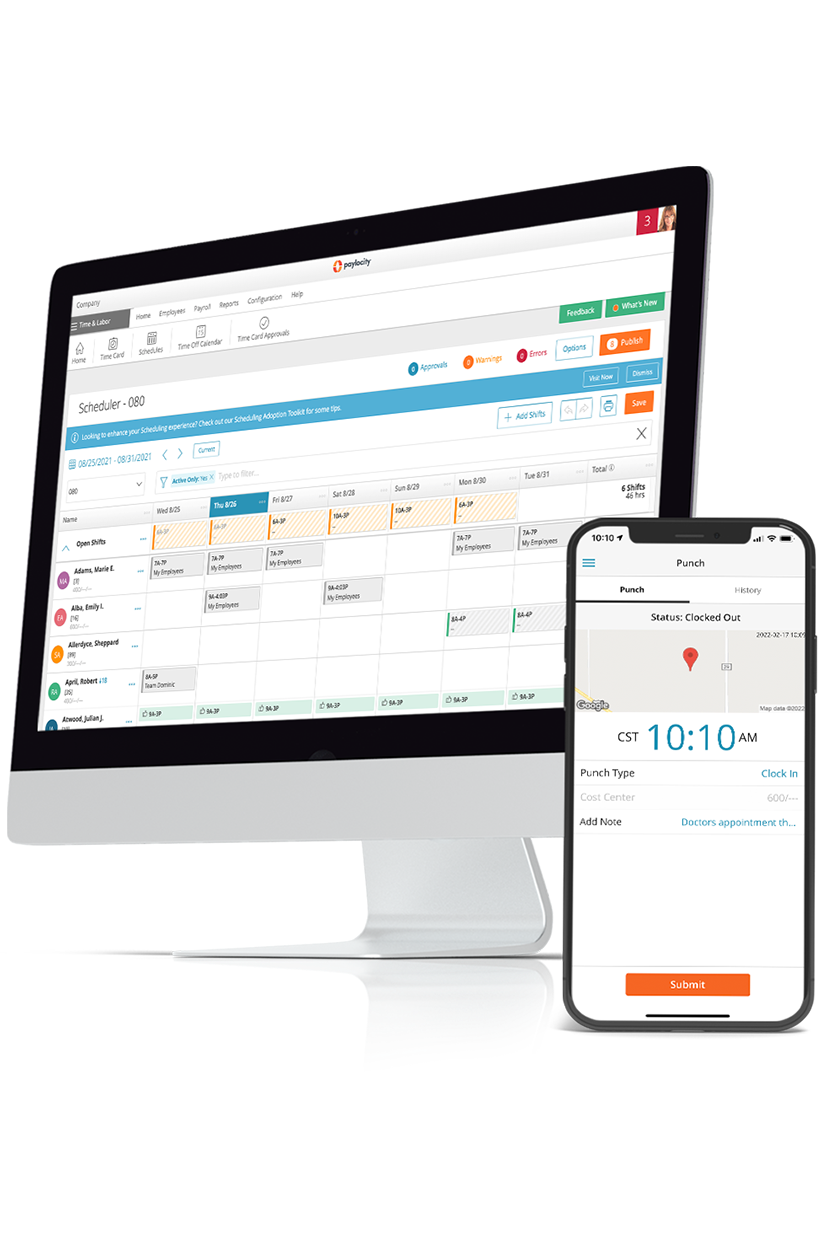
Maximize Productivity the Right Way
Get out of time-consuming processes while knowing your employees are set up for day-to-day success. The costs — and headaches — of manually scheduling, tracking, and managing your workforce's time adds up fast. Use the right tools to automate where it matters, while delivering a modern, user-friendly experience for employees and their managers.

