
Cost-cutting in business: The low-hanging fruit
Keeping a close eye on spending is always good business practice. And when you need to improve financial health, finding effective cost-cutting strategies becomes essential.
But how do you reduce business expenses without sacrificing productivity or hurting morale?
In this article, we’ll discuss several cost-saving tips companies can use when looking to trim expenses, ranging from tighter spend controls to adjusted compensation plans to enhance cash flow management.
When implemented properly, such moves can not only optimize operations but also build a more resilient business for the long haul.
Key takeaways
- Businesses that need to cut costs should focus on long-term financial stability and align spending changes with operational needs as much as organizational goals.
- Sustainable strategies, therefore, require informed and systemic actions, such as re-evaluating spend controls, diversifying specialized services, and reducing travel allowances.
- Engaging employees with clear, transparent communication about policy changes can not only help maintain morale but also foster a shared sense of financial responsibility.
1. Optimize supplier contracts
A great first step to cost cutting is to review all of your vendor contracts. As your business changes and your needs evolve, you can often find savings by reassessing these relationships.
Consolidate existing vendors
Start by analyzing your spending to see where you might have overlap or redundancies (e.g., office supplies, software, food services, etc.). Consolidating your purchases with fewer suppliers can give you more buying power, better pricing, and more favorable contract terms.
Master vendor negotiations
Arm yourself with data about your usage and research what competitors are offering. When it's time for renewal, have an open conversation with your vendors and don't be afraid to negotiate:
- Be clear about your goals and current business situation.
- Bring market data to support your request for better pricing.
- Consider non-price levers, such as longer contract terms or different service levels.
- Ask your vendor for ideas on creating a win-win solution.
2. Review software subscriptions
Software-as-a-service (SaaS) spending can quickly add up. Keep a detailed log of all your software subscriptions, including the owner, price, and renewal date for each.
Before a contract is up for renewal, dig into the usage data. Is the tool being used fully or frequently? Are there redundant features that another one of your existing tools already covers?
If a tool isn’t providing clear value, it might be time to cut it or scale back the plan. For the software you keep, use your usage data and market research to negotiate better terms.
3. Re-evaluate real estate needs
With the rise of remote and hybrid work, many businesses find they have more office space than they truly need. If your hiring plans have changed or your team has embraced remote work, it might be time to rethink your real estate footprint.
- Sublease excess space: If allowed under your lease agreement, sublet unused areas to other companies seeking flexible, smaller office space.
- Negotiate with your landlord: Landlords are often willing to work with good tenants. You might be able to negotiate a lease extension in exchange for reduced rent or discuss a buyout.
- Downsize your office: Moving to a smaller, more cost-effective space can significantly reduce operational costs.
4. Improve cash flow
Improving liquidity is key to financial stability, meaning you need to get revenue in the door faster and slow down how quickly it goes out.
On the accounts receivable side, for example, review your invoicing policies to see if you can encourage quicker payments.
For accounts payable, try to extend your payment terms, and talk to your larger vendors about renegotiating billing terms. If you have a healthy cash position, you could also ask for early-payment discounts.
5. Adjust variable compensation plans
Another way to manage expenses is to shift a portion of the compensation budget from fixed salaries to variable, performance-based pay, especially for sales teams. This aligns your expenses more closely with revenue generation.
In other words, when sales are strong, the team is rewarded. When things slow down, the fixed costs are lower.
It’s important, however, to maintain trust and transparency with each team. Therefore, any changes to compensation plans should be communicated clearly to avoid hurting morale or causing your top performers to look elsewhere.
6. Tighten travel policies
Business travel is an easy area to save, as many in-person meetings can be just as effective when held over video. Encourage teams to use virtual conferencing tools for meetings that don't require face-to-face interaction.
Conversely, for necessary business travel, tighten up any existing travel and expense policies. For example, require employees to book flights further in advance, set reasonable meal allowances, and choose more economical lodging.
A clear policy helps everyone understand expectations and keeps costs in check without making travel miserable for employees.
7. Implement better spend controls
Strong expense management starts with good internal processes. After all, a streamlined process not only reduces operational costs but also gives you better visibility into company-wide spending. Moreover, if employees don't have clear guidelines for purchasing, it’s easy for spending to get out of control.
With this in mind, implement simple purchase request workflows that automatically enforce your company policies and guide employees toward best practices, such as getting multiple bids for a large purchase or checking for existing software before buying a new tool.
8. Renegotiate debts
If there are any outstanding loans, speak with creditors about repayment options. In many cases, they’ll want to work with you to find the best solution that guarantees full repayment.
Prepare a proposal with your updated financial forecasts and details of other cost-cutting efforts. Explore reducing the loan’s interest rates, extending payment terms, or consolidating multiple loans.
9. Diversify legal service providers
Legal fees can be hugely expensive, especially for a growing business. While it’s simpler to send all legal matters to one primary firm, that isn't always the most cost-effective approach.
Instead, inventory your current legal matters and get quotes from a few different providers for new work, especially smaller projects. Specialized firms can often offer much lower rates than larger, full-service firms.
For ongoing work, discuss and push for a flat-fee arrangement or an hourly cap to control costs and avoid surprises.
10. Request employee ideas
Finally, don't forget to tap into your most valuable resource: your employees. Folks on the front line often have the best insights into where waste and inefficiency exist.
Create a simple way for employees to submit their cost-saving ideas. Even if the direct financial impact is small, involving your team in the process fosters a culture of fiscal responsibility and makes everyone more mindful of their daily spending decisions.
Power your savings plans with Paylocity
You've got a solid set of strategies to help cut business expenses and boost your bottom line. But putting them into action is so much easier with the right partner and tools by your side.
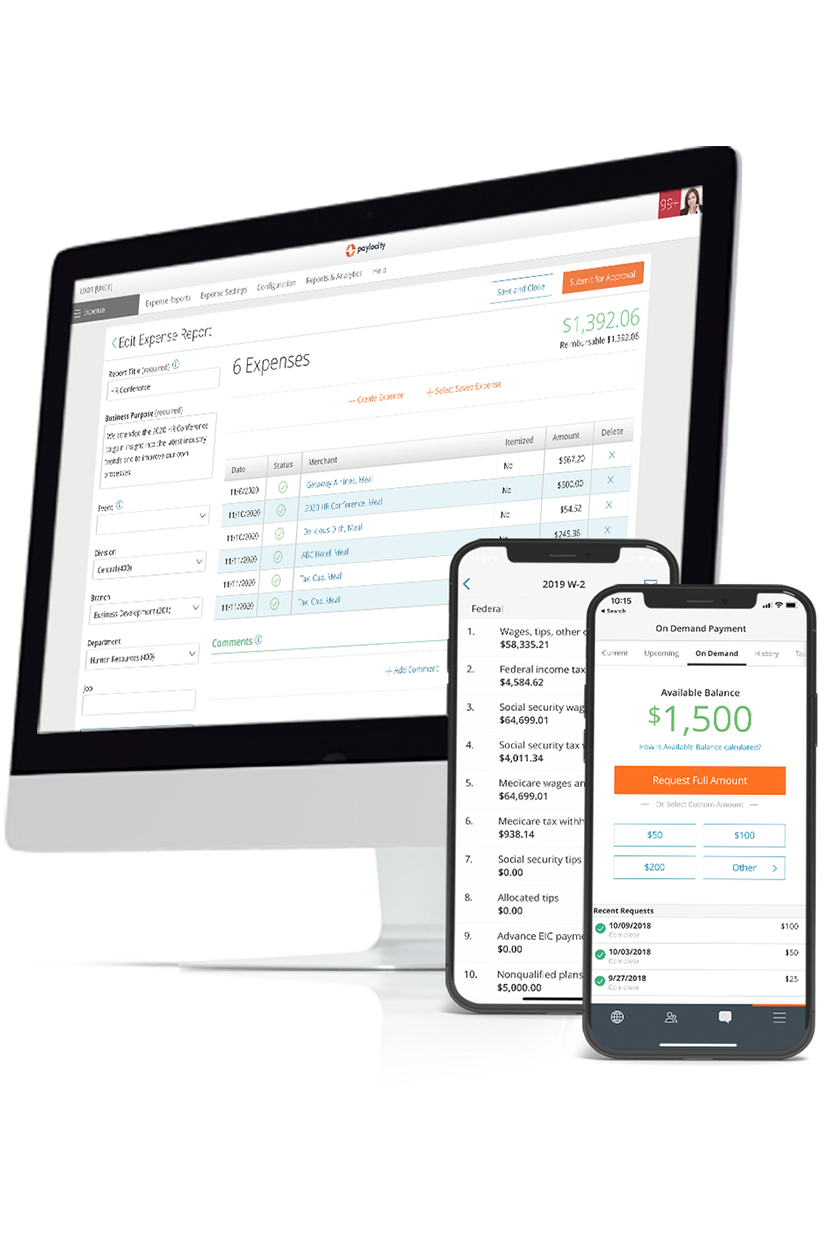
Paylocity’s finance solutions are built to help you reduce costs, streamline expense management, and uncover savings you might otherwise miss, all while giving you a clearer view of where every dollar goes.
Request a demo today to see how Paylocity can modernize and automate your spend management.
Save Time with Stress-Free Payroll Solutions
Payroll doesn’t have to be complicated, but it does have to be right. Stay compliant, collect employee data, and streamline tax filing – all while putting time back in your day with our automated payroll software. With the assurance of an error-free workflow, you can get back to what matters most – your people. Learn how our modern solutions get you out of the tactical and back to focusing on the bigger picture.
Related

From Cost Control to Competitive Advantage: The Power of Vendor Management
