
HR’s Guide to Dismantling Organizational Silos at Work
Organizational silos rarely arrive with any fanfare. Instead, they slide in quietly — in mismatched systems, processes, and behaviors. One team picks a different performance review cadence, another uses a locked chat channel to share information.
Before you know it, you’re struggling to follow the threads of a bunch of disconnected processes that were never designed to work together.
The first real step toward breaking down silos is identifying the systems that have gone off track and understanding what drives them. In this article, we explain what workplace silos are, how they form, and how to diagnose and break them down.
Key Takeaways
- Organizational silos erode performance, slow decision-making, and create duplicate work that can drain limited resources.
- HR can reduce silos by aligning processes, systems, and cross-functional ownership.
- An integrated technological approach (e.g., unified employee records, shared communication tools, etc.) gives HR teams the visibility, transparency, and connection needed to eliminate silos.
What is an Organizational Silo?
Organizational silos form when different parts of a business operate with their own specific systems, processes, or information.
They often begin as a small change or difference, such as one team opting for monthly performance reviews compared to another opting for quarterly ones. At first, the choice seems insignificant, but over time, its impact can compound across the business.
For example, suppose HR manages employee compensation in an HRIS or HCMS while Finance uses a separate platform to run payroll. At best, the two departments end up running two parallel processes; at worst, both departments work under different information, leading to payroll errors or delayed paychecks.
While common, this scenario isn’t the only form organizational silos can take:
- Technological: Data and tech silos often pop up when information lives in separate systems that lack integration. Each system has its own data set and formats, which can complicate simple tasks, such as updating employee details or depositing wages.
- Structural: When teams, departments, or locations across your organization have different processes, workflows, and systems, key information can often stay trapped within them, making cross-collaboration on mutual goals or processes difficult.
- Cultural: Cultural silos refer to the varying ways people approach or prioritize work across an organization. They often stem from differences in values, mindsets, or behaviors that impact how people collaborate.
- Knowledge: Knowledge silos emerge when information or expertise isn’t shared between individuals or teams. They often develop due to a lack of communication or clear processes, and can hinder organizational innovation.
The Hidden Impact of Organizational Silos
Unlike on a farm, silos in the workplace create invisible barriers that lock information, context, and decision-making within a single team or system. If left unaddressed, there are multiple ways they can become a drain on the entire organization:
- Operational inefficiency: Silos multiply the likelihood of errors and rework, which slows teams down. This can lead to higher avoidable costs across the board, including error penalties, extra labor hours, and delayed projects.
- Strategic misalignment: According to a 2024 report, over 80% of surveyed businesses experienced misalignment between their HR teams and the broader business. Silos both stem from and compound such issues, slowing how teams deliver on business goals.
- Decreased innovation: When knowledge isn’t shared effectively across the organization, it means you’re less able to innovate and generate new ideas that lead to business success.
- Slower time-to-decision: Organizations struggling with silos have limited visibility into their data, knowledge, and processes, which slows time-to-decision and limits organizational agility.
- Fragmented employee experience: In employee- and customer-facing processes, fractured operations can lead to negative experiences. Think delayed promotions or provisioning on day one of an employee’s new role, or delayed support leading to greater customer churn.
HR’s Role in Identifying Silos at Work
Organizational silos can be complex, with far-reaching roots. Fortunately, HR is often in the best position to address them, as it’s one of the few departments that sits at the intersection of people, processes, and systems. Moreover, HR often sets the pace for company-wide behavioral and cultural norms.
In other words, it’s the ideal team to use for modeling the transparency practices, communication processes, and cross-functional collaboration efforts needed to dismantle silos in the first place.
Most organizations, ironically, already know where their silos are, but it can be hard to pinpoint exactly why they’re appearing. This means asking diagnostic questions to identify where the disconnects are, such as:
- Do multiple teams work from their own version of employee data?
- What does our survey data reveal about how employees collaborate and communicate between teams or departments? Where do these processes fall short?
- Are there any blockers in our employee lifecycle data?
- Which processes require HR to move or copy information between systems manually?
- Do managers in different departments have their own approach to core processes (e.g., performance management metrics)?
- How do teams share information across the business?
- Do employees have access to the information they need to perform their jobs effectively?
- Where do we see the most misunderstandings, conflicts, or blockers across employee-facing processes?
- Which parts of the organization use incompatible or disconnected tools?
Five Strategies for Breaking Down Organizational Silos
Addressing silos requires more than awareness; it demands intentional practices that realign how teams communicate and work. With this in mind, there are a few strategies organizations can use to reconnect teams and promote healthier, more collaborative operations.
1. Foster Cross-Functional Collaboration Through Shared Communication Tools
Poor collaboration and communication are some of the biggest drivers of siloed work. When teams default to their own channels, they create their own information flow, which can be at odds with the organization's overall flow. This, in turn, can lead to a rapid misalignment of key goals and priorities.
Creating shared spaces for communication not only keeps everyone on the same page but also gives them a way to connect within their everyday workflows. Decisions and company updates are clearly shared across the organization, while employees get a space to ask questions, learn from their peers, and exchange files.
You can see this in practice at manufacturing company TruCut, which uses Paylocity’s Community platform to keep employees aligned with the business.
“The way we are using Community really helps reinforce the most important aspects of our culture — the idea that we are all in it together and part of a close-knit community,” said Mike Lesch, HR Manager at TruCut. “I’m able to use Community to post all kinds of company-wide notifications. That’s a huge time-saver for me — it’s like I can be in all of our locations at the same time.”
2. Implement Self-Service Knowledge Resources
Overcoming knowledge silos is a challenging task, as it’s often difficult to identify which knowledge is being overlooked. The problem, therefore, is both access and visibility, because you can’t fix gaps you can’t see.
Implementing a self-service knowledge tool can make information more discoverable and shareable, since everyone knows where to look when they have a question.
While this can be helpful for daily processes like onboarding, it also serves as a central “brain” of your organization, where employees can quickly and autonomously search for answers to specific questions, such as, “When is [customer] up for renewal?”
Furthermore, you don’t have to get a super sophisticated tool to stand this up quickly. Smaller organizations can use lightweight tools to create a knowledge bank of key information, while larger companies can host a robust knowledge base on intranet sites or dedicated knowledge management platforms.
Regardless, these tools integrate directly with your organization’s key work platforms to ensure that documents and key updates flow in real time.
3. Standardize Metrics and Data Formats
Data is one of the most pervasive and potentially damaging silos an organization can have, costing organizations an estimated $3.1 trillion in lost productivity and revenue annually.
Data influences decisions, reporting, and forecasting. And when different functions use different metrics or data in different formats, it can turn a simple decision into a huge challenge, with everyone working from a conflicting version of the truth.
Standardizing data formats, definitions, and reporting metrics nurtures alignment across the business, enhancing interoperability and consistency between systems, processes, and teams. This, in turn, reduces the likelihood of errors and redundancies, ensuring that everyone understands the metrics that matter most to the business.
To that end, one key best practice is to establish clear rules about collecting, naming, and formatting data across different datasets, spreadsheets, and tools. This might include defining a standard date format or defining how performance is measured.
Better yet, combine this strategy with a centralized HRIS or HCMS for a single source of truth, making it easy for the rest of the company to follow the same rules.
4. Leverage Smart Integrations to Keep Data Flowing Across the Organization
Even the best processes can break down when tools fail to communicate with one another. Disconnected platforms and systems force teams into manual data entry, inconsistent updates, and parallel processes that can often drift out of rhythm.
Most of this is caused by where the data actually lives. When teams take a task-based approach to their data, core information becomes scattered across multiple systems — meaning payroll data sits with Finance, and employee information sits with HR.
But when HR teams have a centralized employee record, it anchors and keeps all of these processes connected, stopping silos from developing. Thus, when an employee receives a raise, the update isn’t stuck with HR but cascades across the finance and payroll platforms, ensuring the next paycheck is accurate and on time.
5. Implement 360-Degree Feedback to Break Down Cultural Silos
Silos don’t just invite operational inefficiency; they can also lead to cultural discord. When teams keep interactions within their department, it shapes how they think and communicate, potentially leading to groupthink that limits innovation and organizational performance.
Implementing 360-degree feedback can help break this cycle by promoting transparency and knowledge-sharing across departments and roles. Moreover, it encourages an open dialogue that helps employees view their performance and behavior from a fresh perspective, thereby eliminating the risk of a “us versus them” mentality.
Eliminate Workplace Silos and Increase Agility with Paylocity
Silos disappear when teams share the same information, follow connected processes, and work from a single, reliable source of truth. That requires more than good intentions; it requires systems that actually talk to each other.
But connected systems alone aren’t enough. Organizations also need consistent visibility into how people work, communicate, and move through the employee lifecycle. When data, workflows, and conversations happen in one place, teams can spot breakdowns faster and act before small issues spiral into full-blown silos.
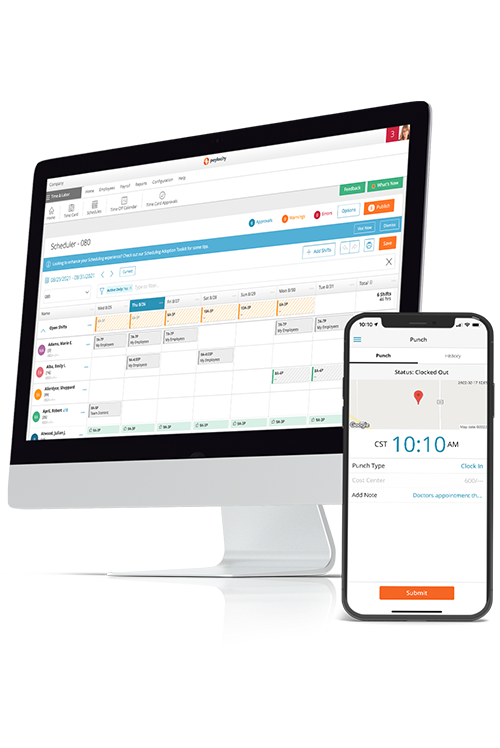
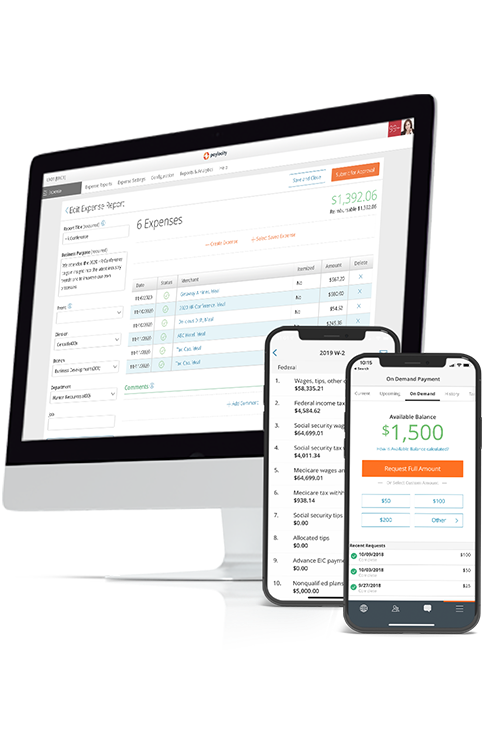
Paylocity gives organizations the infrastructure to do exactly that. Centralizing employee data, integrating core HR and payroll workflows, and creating shared spaces for communication and knowledge sharing help teams stay aligned and prevent silos from reemerging.
Related

The Power of One Integrated Employee Record
