
Stepping Up During a Government Shutdown: How to Support Your Workforce
The ripple effects of a government shutdown extend far beyond Washington.
While the headlines often focus on furloughed federal workers, the reality is that millions of private-sector employees also feel the impact, whether through lost contracts, delayed payments, or financial strain on their households.
For HR and business leaders, a shutdown is more than a political event. It’s a moment that tests your organization’s workforce empathy, agility, and culture.
As paychecks stall and uncertainty grows, HR and organizational leaders have an opportunity to show up for their people as a source of stability, reassurance, and care.
Let‘s explore how HR can effectively support and guide employees when uncertainty arises.
Key Takeaways
- During a government shutdown, HR should lead with empathy and open communication to build trust and stability during uncertain times.
- Management should provide flexibility, financial resources, and wellness support to help employees manage both immediate and long-term challenges.
- Through proactive training and transparent policies, organizations should empower HR and managers to foster resilience, engagement, and a psychologically safe culture.
Understanding Government Shutdowns and Their Broader Impacts
A government shutdown occurs when Congress and the President cannot agree on funding legislation, resulting in a halt to non-essential federal operations. This happened most recently, on October 1, 2025, after Congress failed to pass full-year appropriations.
During a shutdown, federal employees may be furloughed, government contractors may experience delayed payments, and agencies may suspend services — all of which have ripple effects across multiple sectors including.
- Logistical challenges (e.g., delays in obtaining permits or employment verification)
- Transportation disruptions due to a lack of air traffic controllers, vessel traffic operators, etc.
- Delayed public projects or infrastructure work involving contractors
- Declined consumer spending (e.g., retail, hospitality, and service) for areas with a large government presence
As a result, even employees whose work is not directly tied to the government may feel financial strain if family members or clients are impacted.
For HR and organizational leaders, understanding this broader impact is crucial for crafting meaningful support strategies that address both immediate needs and long-term well-being.
How to Support Employees During a Government Shutdown
With an understanding of how shutdowns ripple through industries and communities, let’s shift focus from context to action – the concrete steps HR teams and business leaders can take to minimize disruption and protect their people’s well-being.
1. Start with Empathy: Acknowledge What Employees Are Feeling
A government shutdown is more than just a budgetary issue. It’s a human one. Many employees, even in the private sector, are affected indirectly through:
- Furloughed or unpaid family members or partners.
- Vendors and contractors who lose revenue or face payment delays.
- Interrupted benefit programs that provide food or other essential resources.
- Communities where government jobs make up a significant portion of the local economy.
The stress of lost income can quickly spiral into anxiety about housing, healthcare, and basic needs. Employees may come to work distracted, frustrated, or uncertain. This is when leadership presence matters most.
"We do not check our humanity at the door," explains Anita Roach, founder of the Safe and Sound Workplace Alliance, during an HR Mixtape episode on trauma-informed workplaces. "We bring these inherent human systems into organizational systems, whether the individual wants to or the organization wants them to."
This underscores the importance of leading with empathy and communication. Instead of waiting for questions, proactively acknowledge the situation. A simple message from leadership expressing awareness and support can go a long way:
"We know the shutdown is creating financial and emotional stress for many in our community. If you or your family are impacted, please know that we’re here to help. We’ve compiled resources and programs that can support you during this time.”
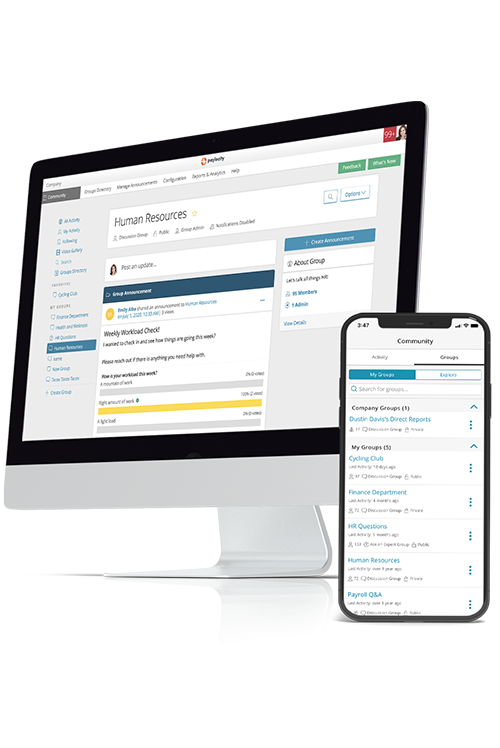
Ensure your organization has a reliable and accessible tool for communicating with employees. Ideally, this should be a two-way platform that allows open dialogue between HR, leadership, and staff. Such a system builds transparency and support, giving employees a space to ask questions, access resources, and stay informed.

2. Offer Immediate Relief: On-Demand Pay and Flexibility
When paychecks are delayed, the entire family feels it. That’s why financial flexibility becomes one of the most impactful ways employers can step in.
On-Demand Pay: A Timely Lifeline
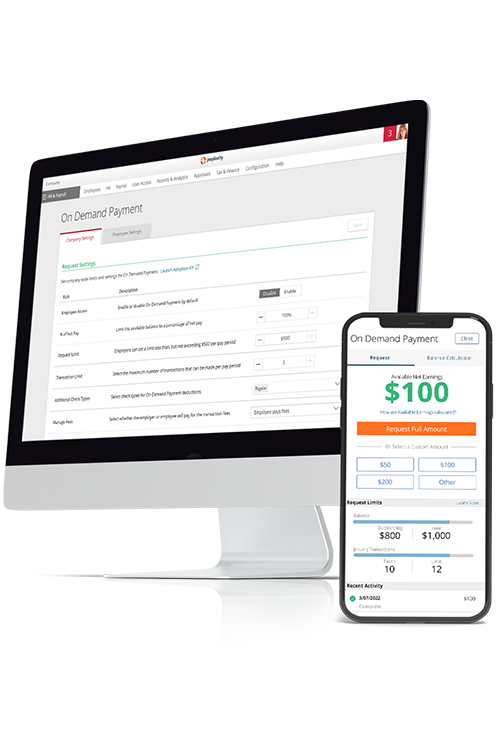
For employees living paycheck to paycheck or supporting someone who is, on-demand pay can offer real relief. Instead of waiting for a traditional pay cycle, employees can access a portion of their earned wages instantly.
This feature does more than provide cash flow. It signals trust and care. Employees feel empowered to manage their financial well-being on their own terms, reinforcing a sense of stability even when external factors are uncertain.

Offer Flexibility Where Possible
Employers can also demonstrate flexibility by offering options such as:
- Pay advances or one-time hardship stipends.
- Adjust deductions for benefits or loans during the shutdown period.
- Allow flexible scheduling or shift swapping for employees to respond to changing circumstances or disruptions in family care.
- Limit non-essential business travel to help reduce stress caused by shutdown-related flight disruptions.
3. Strengthen Financial Wellness Resources
Beyond immediate relief, employees benefit from education and resources that help them manage longer-term financial uncertainty. During a government shutdown, many start asking: How can I make my paycheck stretch further? How do I protect my credit?
Employers can provide tangible value by curating financial wellness programs through their benefits portal. This might include:
- Budgeting and financial planning workshops.
- One-on-one counseling with financial advisors or Employee Assistance Program (EAP) specialists.
- Resources for managing debt or applying for temporary relief programs.
HR can use analytics to understand which programs employees are engaging with and where additional communication or support may be needed.
4. Support Mental Health and Emotional Resilience
Financial stress often leads to anxiety, sleep disruption, and burnout, all of which affect performance, safety, and morale. SHRM reports that 80% of workers expect increased stress as a result of the shutdown, which can translate to productivity declines.
That’s why mental health support should be a cornerstone of any employer response during a crisis like a shutdown.
Start by reminding employees what’s already available through your benefits offerings, such as:
- Employee Assistance Programs (EAPs) that provide free counseling and crisis support.
- Telehealth or virtual therapy options, which are particularly valuable for employees juggling multiple responsibilities.
- Wellness challenges or mindfulness programs that help maintain community connection and emotional balance.
5. Empower Managers to Be Frontline Communicators
Managers are often the first point of contact when employees experience stress or uncertainty, making their ability to respond with empathy, clarity, and consistency critical.
So, give your managers the tools and training to:
- Recognize signs of employee distress.
- Communicate compassionately and clearly about resources.
- Connect employees with HR or benefits when deeper support is needed.
Practical training, whether through workshops, e-learning modules, or peer coaching, helps managers feel confident addressing difficult topics while maintaining professionalism. Consider offering learning on demand, allowing managers to access materials whenever needed.
This investment doesn’t just prepare managers for shutdown-related stress. It strengthens leadership culture overall.
6. Keep an Eye on Engagement and Morale
Although stressful events like a government shutdown can erode engagement if employees feel unsupported, they can, on the other hand, strengthen workplace culture if the organization responds with compassion and agility.
To measure impact and adjust your approach, use pulse surveys or sentiment analysis tools. These quick check-ins help you:
- Gauge how employees are feeling week to week.
- Identify departments or regions experiencing higher stress levels.
- Adjust communication or programs based on real-time feedback.
For example, if survey results reveal that employees are feeling stressed, overwhelmed, or disconnected, HR could organize small-group listening sessions or provide additional wellness resources. Similarly, if confusion arises about financial resources, HR can immediately post a clarifying message or resource guide to ensure employees feel supported and informed.
This data-driven approach ensures your response is not only empathetic but also effective.

7. Organize and Celebrate Acts of Solidarity
Even amid hardship, organizations can take proactive steps to bring employees together for good causes.
Organizing food drives, donation events, or volunteer opportunities not only supports the broader community but also strengthens internal connections. These initiatives remind employees that their organization stands for compassion and shared responsibility, even in challenging times.
Additionally, bolster engagement through consistent recognition and transparent communication. Encourage managers to acknowledge team efforts, celebrate milestones, and highlight acts of kindness or resilience during difficult periods.
Small gestures, like shout-outs in company meetings or spotlighting supportive behaviors on internal platforms, can significantly boost morale.

Plan for the Future: Building Workforce Resilience
Even after shutdowns end, the lessons shouldn’t fade away. Use the experience to future-proof your organization’s crisis response, and ask your team:
- How quickly were we able to communicate with employees?
- Did our systems support the flexibility we needed?
- What programs made the most impact?
HR can further strengthen resilience by introducing regular scenario planning sessions to anticipate future disruptions and prepare adaptive responses. Leadership training in crisis management ensures managers are equipped to lead calmly and effectively during uncertain times.
Embedding employee feedback loops into policy reviews also allows organizations to remain responsive to changing employee needs, continuously refining their approach to workforce well-being and adaptability.
Finally, update your business continuity plan and integrate your learnings into your policies and technology. By turning short-term solutions into long-term strategies, you strengthen both your culture and your employer brand.
Compassion is a Competitive Advantage
A government shutdown is an external event, but how an organization responds internally speaks volumes about its leadership. Because when the government shuts down, your people don’t stop showing up. And neither should you. Employers who show up for their people during uncertain times earn not just loyalty, but trust.
In an era where the line between personal and professional lives is increasingly blurred, supporting employees holistically isn’t just good ethics; it’s good business.
Equip your HR team with the tools and strategies needed to support employees effectively when challenges arise. See how Paylocity’s comprehensive platform can help you maintain communication, flexibility, and resilience in times of uncertainty.
Related

Boosting benefits literacy: How to better communicate employee benefits
