Boomerang employee
Summary definition: A person who leaves an organization and is later rehired by the same employer.
What are boomerang employees?
Much like the arc of a literal boomerang, a boomerang employee is someone who voluntarily leaves a company, whether for another job, personal reasons, or a career change, and later returns to work for that organization again.
Boomerang jobs have grown increasingly common in recent years, particularly in the wake of the Great Resignation. Millions of workers voluntarily left their jobs in search of better opportunities, and many returned to former employers with fresh perspectives, new skills, and a renewed appreciation for the organizations they left.
Key takeaways
- A boomerang employee is a former worker who returns to work for the organization they previously left.
- Boomerang hires can reduce recruitment costs and onboarding time, but also present potential challenges, such as unresolved team dynamics or outdated knowledge.
- A thoughtful offboarding process and strong alum network are key factors for enabling boomerang hiring.
Boomerang employee pros and cons
Boomerang employee benefits can offer several logistical and financial advantages for both employers and workers.
For example, boomerang hires are often a faster, less expensive way for an employer to fill an open position, due to their decreased onboarding needs and work credibility from their prior performance. Boomerang employees, meanwhile, face less stress by returning to a familiar setting, commonly in different roles with greater responsibilities and compensation.
| Employer advantages | Employee advantages |
| Faster onboarding: Returning employees already know the culture, systems, and people, reducing the time and cost required to get them up to speed. | Easier transition: Returning to a familiar environment, team, and culture reduces the stress and uncertainty of starting somewhere new. |
| Reduced hiring risk: Employers have firsthand experience with the candidate's work ethic, strengths, and work style, removing much of the uncertainty that comes with an unknown hire. | Career advancement: Boomerang employees often return to more senior roles or improved compensation that reflects the experience gained during their time away. |
| New skills and perspectives: Time away often results in returning employees having new experiences, certifications, or fresh perspectives from other organizations. | Faster impact: Re-joining a company with established relationships means contributing and building momentum more quickly than a brand-new hire. |
| Positive cultural signal: When a former employee returns, it reinforces that the organization is a place worth coming back to. |
Boomerang employee challenges
Despite these advantages, boomerang hiring isn’t always a perfect fit, or even the best option. Possible difficulties include:
- Unresolved issues: If the employee left due to management conflicts, cultural misalignment, or dissatisfaction with their role, those issues may still exist.
- Team dynamics: Current employees may have mixed reactions to a former colleague returning, especially if that person is coming back at a more senior level.
- Lack of due diligence: Familiarity can cause managers to bypass the normally thorough evaluation and miss other, more qualified candidates.
- Outdated knowledge: Depending on how long the employee was away, processes, policies, and technology may have shifted significantly, compromising their otherwise expedited onboarding advantage.
How to build a boomerang hiring strategy
The best way for an employer to experience boomerang employee benefits is to create the right conditions for opportunities to occur, such as:
- Prioritize thoughtful offboarding: The foundation of any boomerang hiring strategy is a positive employee leave experience (e.g., exit interviews, knowledge transfer support, outplacement services, etc.). When employees feel respected on the way out, they're far more likely to consider returning.
- Cultivate an alum network: Staying connected through LinkedIn communities, newsletters, or informal check-ins keeps the relationship warm and the door open long after an employee leaves.
- Leave the door open: Let departing employees know they're welcome to return, even if it’s a simple message during offboarding.
- Track former talent: Maintain a pool of high-performing former employees who left on good terms, making it easier to reach out when relevant positions open up.
- Streamline the rehire process: Have a clear internal process for handling boomerang hires, including how previous tenure, benefits, and compensation are treated upon return.
Boomerang employee interview questions
A boomerang employee interview gives both parties the chance to set clear expectations and confirm the fit is right.
Rather than reliving the past, focus on what's changed for the employee and the organization, and whether both sides are aligned on what comes next. Key questions to ask include:
- What prompted you to consider returning?
- What’s changed for you since leaving?
- What new skills or experiences would you bring to this role?
- What are you looking for in this role that you weren't getting before?
The answers to these questions help ensure that both the employer and the boomerang hire are fully aligned on the role and everyone’s expectations for it.
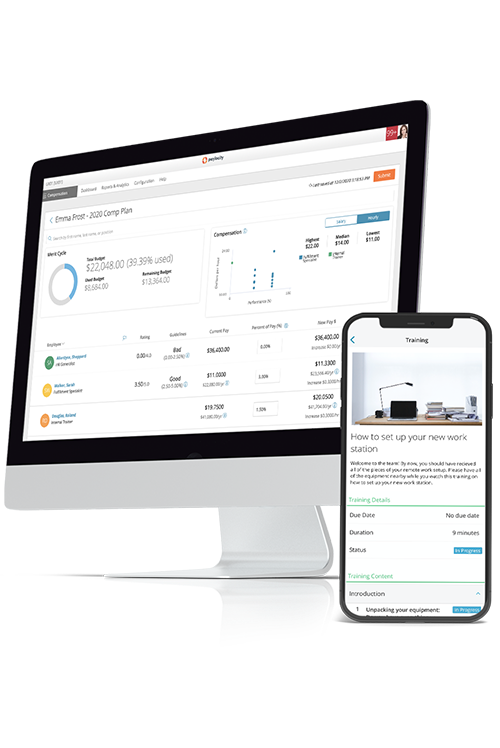
The tools you need to attract and retain
Attract, engage, and retain top talent with a comprehensive platform designed to support every stage of the employee journey. From recruiting and onboarding to development and retention, our tools offer a seamless experience that’s tailored to the needs of the modern workforce.