Highly compensated employee (HCE)
Summary definition: An individual who meets IRS or Department of Labor thresholds regarding retirement plan and overtime exemption eligibility.
What is a highly compensated employee?
A highly compensated employee (HCE) is a classification used by the Internal Revenue Service (IRS) and the Department of Labor (DOL) to identify workers who earn above a certain threshold or hold a significant ownership stake in their organization.
This designation affects how much such individuals can contribute to certain retirement plans, whether they qualify for overtime pay, and how employers must structure benefits to remain compliant.
The IRS HCE definition, for example, primarily relates to 401(k) and other qualified retirement plans, while the DOL applies a separate definition when determining overtime exemptions under the Fair Labor Standards Act (FLSA).
Key takeaways
- A highly compensated employee (HCE) is a classification for workers who earn above a set compensation threshold or hold more than a 5% ownership stake in their organization.
- Qualified retirement plans must pass annual nondiscrimination tests to ensure HCEs don't benefit disproportionately, with failures resulting in corrective distributions, penalties, or plan restructuring requirements.
- The DOL applies a separate HCE exemption under the FLSA that may exempt certain high earners from overtime earnings.
IRS highly compensated employee definition
For retirement plans, the IRS defines highly compensated employees as those who meet either of the following criteria during the preceding plan year.
- Compensation test: The employee earned above the IRS limit ($160,000 for 2026), subject to annual cost-of-living adjustments (COLA). Employers may, however, further restrict the highly compensated employee status to the top 20% of earners.
- Ownership test: The employee owned more than 5% of the business at any point during the current or preceding plan year, regardless of their compensation level.
Since the HCE threshold is reviewed annually, it may change over time. Employers must identify such workers each plan year to comply with IRS regulations.
Highly compensated employee 401(k) tests
Furthermore, the IRS imposes a pair of 401(k) tests for qualified retirement plans to ensure that said plans don’t unfairly benefit such employees over non-highly compensated employees (NHCEs):
- Actual deferral percentage (ADP) test: Compares the average salary deferral rates of both classes.
- Actual contribution percentage (ACP) test: Compares employer matching and after-tax contributions between the two groups.
If a plan fails either test, the employer must take corrective action, such as refunding excess contributions to HCEs, making additional contributions to NHCEs, or restructuring the plan (i.e., establishing a new 401(k) limit on contributions).
To avoid this, many employers opt for a safe-harbor 401(k) plan design, which automatically satisfies these requirements.
How does HCE meaning apply to DOL rules?
The DOL applies a separate HCE definition under the FLSA for overtime earning eligibility. Under the DOL's rules, a HCE exemption may apply to workers who:
- Earn a total annual compensation of at least $107,432 per year (or $684 per week on either a salary or fee basis).
- Customarily and regularly perform at least one of the duties of an exempt executive, administrative, or professional (EAP) employee.
Employees who meet these criteria may be classified as exempt from FLSA overtime requirements, meaning they are not entitled to overtime pay for hours worked beyond 40 in a workweek.
HCE responsibilities for employers
For HR professionals and benefits administrators, correctly identifying workers for IRS HCE standards each plan year is a critical compliance effort. Other HCE IRS responsibilities include:
- Running HCE 401(k) tests: Conduct regular ADP and ACP testing, and promptly address any failures.
- Communicating contribution limits: Depending on test results, an employee may face lower 401(k) HCE contribution limits than the typical IRS maximum. Employers should, therefore, clearly communicate any contribution rate limitations to avoid surprises during tax season.
- Evaluating plan design: Employers with recurring HCE 401(k) test failures may consider restructuring the plan with a safe harbor plan design.
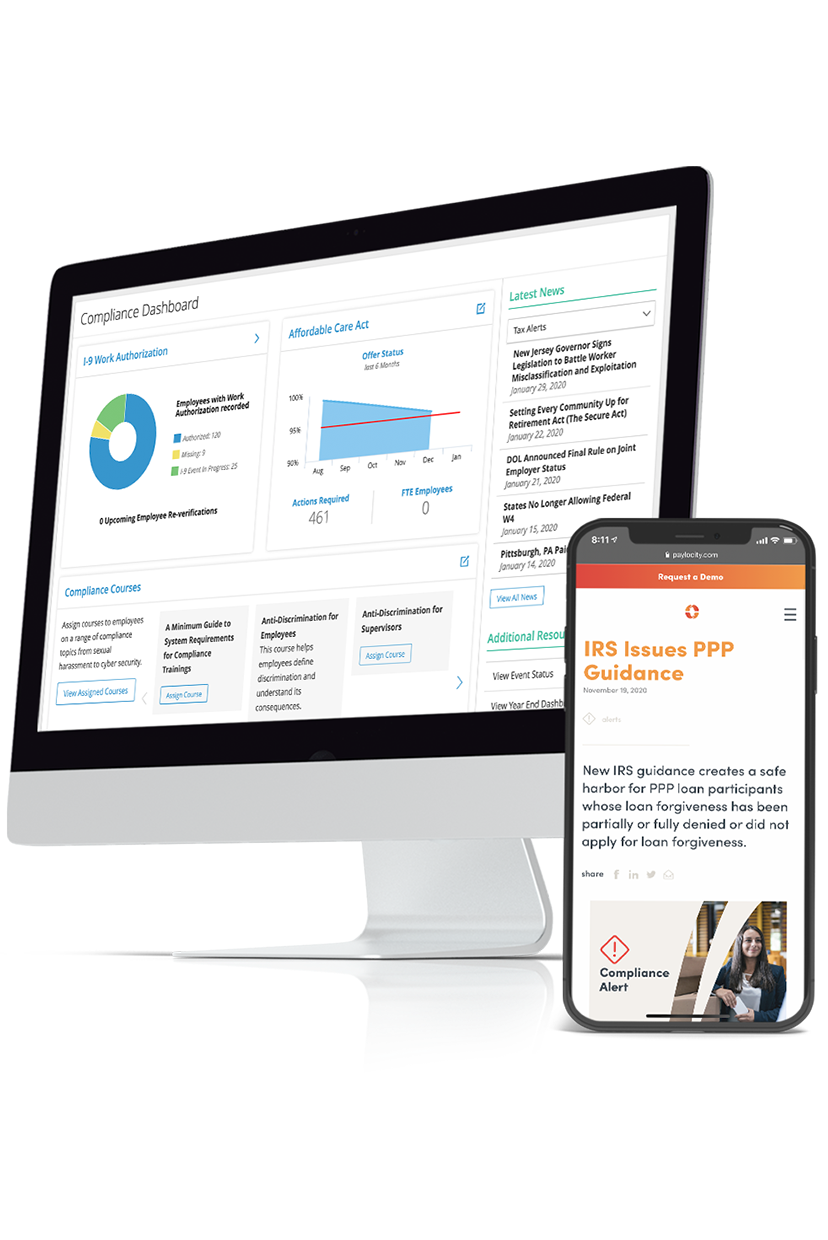
Keep up with compliance
Between constantly changing employment laws and updates to the Affordable Care Act (ACA), keeping your workplace compliant can be a time-consuming and costly challenge. Eliminate the stress and stay up to date with our Compliance Dashboard. View compliance alerts and get a bird’s eye view of what you need to do to avoid fines and penalties.