Malicious compliance
Summary definition: The act of rigidly following instructions or policies in a way that deliberately undermines the intended outcome.
What is malicious compliance?
Malicious compliance is a form of passive-aggressive behavior in which an employee follows instructions or policies exactly as written while intentionally ignoring their spirit or intent.
Also known as hostile compliance or weaponized compliance, this behavior often occurs when employees feel unheard, micromanaged, or restricted by rigid rules. Instead of pushing back directly, a maliciously compliant employee follows directions knowing it will lead to delays, extra work, or unintended consequences.
Key takeaways
- Malicious compliance at work occurs when employees technically obey directions as written but disregard their intent.
- Although it is typically legal, malicious compliance can negatively impact productivity, morale, and the employee experience.
- Clear communication, reasonable flexibility, and opportunities for feedback are essential to preventing maliciously compliant behavior.
Is malicious compliance illegal?
It is not illegal for employees to engage in malicious compliance, as they’re technically following instructions or company policies as written. However, such behavior can cross into misconduct if it involves safety violations, harassment, intentional sabotage, or refusal to perform essential job duties.
Malicious compliance examples
Malicious compliance often occurs in everyday workplace situations where rules are rigid or instructions are unclear. Examples of malicious compliance include:
| Malicious compliance type | Malicious compliance examples |
| Following instructions too literally | A manager says to stop working overtime under any circumstances, so the employee leaves critical tasks unfinished at the end of each shift, even during peak seasons. |
| Strict policy enforcement | An employee is told always to follow the policy, no exceptions, and routes a minor issue through a lengthy approval process rather than resolving it quickly. |
| Excessive communication | A supervisor requests to be copied on all emails, and the employee includes them on every message, even low-priority or irrelevant ones. |
| Exact job scope adherence | An employee is instructed to stick to their job description and refuses reasonable, slightly overlapping requests that would help the team. |
| Rigid scheduling | Management enforces strict break and clock-in rules, and employees stop work immediately when break time begins—even mid-task. |
What are the impacts of maliciously compliant employees?
Because employees are technically doing what they’re told, maliciously compliant actions can be more difficult for leaders and HR teams to identify and address, yet their effects can be significant.
- Reduced productivity and efficiency: Overly literal compliance can slow work, create bottlenecks, and unnecessarily complicate simple tasks, hurting overall performance.
- Lower employee engagement and morale: Hostile compliance often reflects disengagement, as employees who feel unheard or micromanaged choose passive-aggressive compliance over collaboration or innovation.
- Strained manager-employee relationships: Weaponized compliance erodes trust, creating tension when managers see uncooperative behavior and employees justify actions as “following the rules.”
- Increased risk to operations and customers: While legal in most cases, rigid compliance can still lead to missed deadlines, poor customer experiences, or safety issues.
How to prove malicious compliance
Proving hostile compliance can be even more difficult than identifying it, as employers must demonstrate the employee’s intent. Therefore, employers should focus on larger patterns, context, and outcomes rather than individual instances.
For example, repeated instances of overly literal or aggressive compliance, especially after expectations have been clarified, can indicate the behavior is deliberate rather than accidental.
Managers should clearly record and document instructions given, follow-up conversations, and the business impact of the employee’s actions, such as missed deadlines, operational delays, or customer issues.
How to handle malicious compliance
Addressing aggressive compliance requires more than tightened rules or issued warnings. Because the behavior often stems from frustration or disengagement, the most effective solutions focus on communication, clarity, and trust:
- Clarify expectations and intent: Ensure policies and instructions explain not just what to do, but also why it matters. When employees understand the purpose behind a request, they’re less likely to default to literal compliance that undermines outcomes.
- Encourage open feedback: Create safe channels for employees to raise concerns, ask questions, or challenge processes without fear of retaliation.
- Train managers on communication: Coaching managers to give clear, flexible guidance while actively listening to workers can prevent issues before they start.
- Review and modernize policies: Regularly auditing workplace policies helps ensure they support productivity and employee experience, not just control.
- Address behavior constructively: If weaponized compliance persists, address it directly and professionally. Focus on outcomes and expectations rather than blame, and document patterns if corrective action becomes necessary.
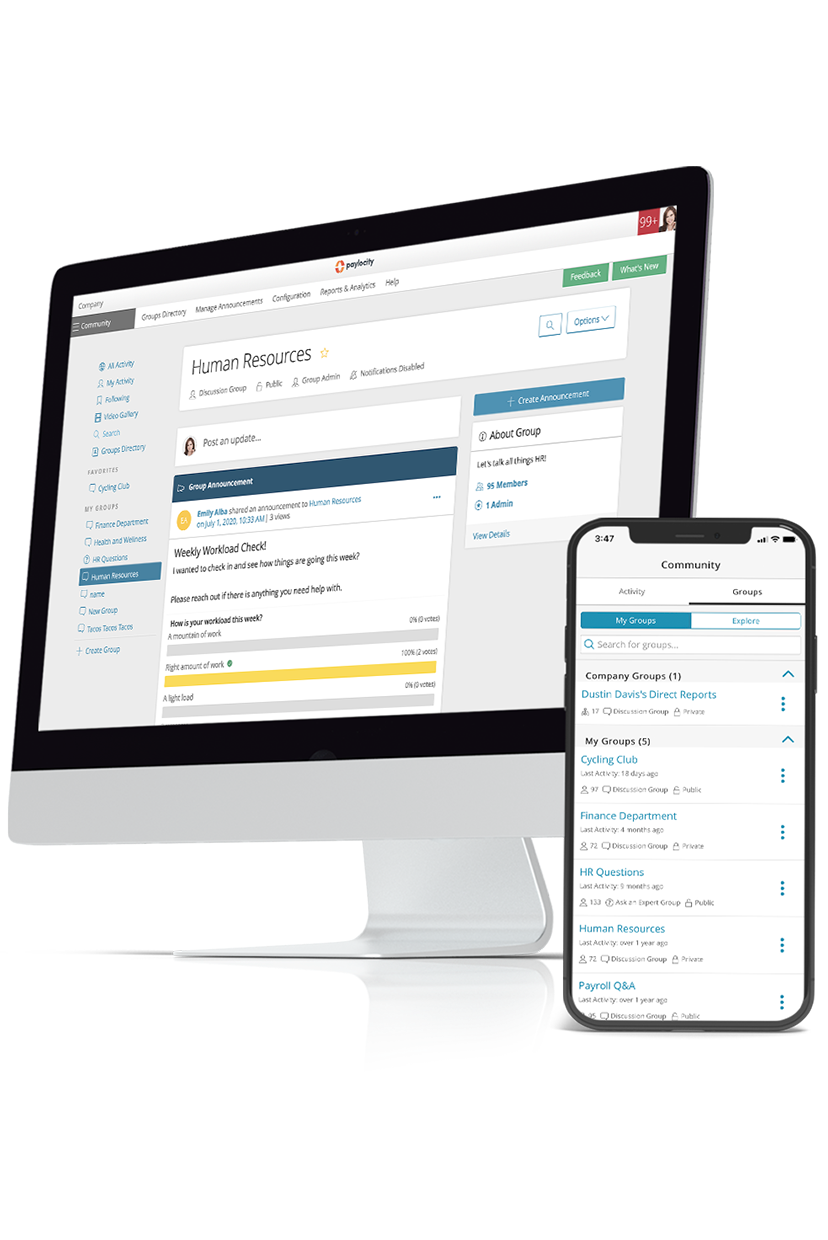
Reach Your Workforce Wherever They Are
We all want to get more done with fewer emails and meetings, but reaching a workforce — whether they're remote, on-site, or hybrid — can be tricky. Improve communication, enable engagement, and connect all your employees with Community. This modern online collaboration tool allows your workforce to access newsletters, policies, and emergency updates, while also giving a central hub for your employees to come together.