Payroll leakage
Summary definition: The unintended loss of payroll funds through errors, fraud, or inefficient processes.
What is payroll leakage?
Payroll leakage, also known as money leakage, is the unintentional overpayment of wages, benefits, or other compensation that results in money leaving the business without a corresponding increase in labor or productivity.
It occurs when payroll operations fail to accurately reflect employees' actual earnings, whether due to data errors, system gaps, or misapplication of policies.
Leakages are often gradual and difficult to detect, such as a few extra hours approved without verification, a terminated employee still receiving pay, or a misconfigured deduction, each of which can seem minor in isolation. However, studies show that such oversights can compound into widespread financial loss, costing organizations at least 1% of total payroll value each month.
Key takeaways
- Payroll leakage occurs when paid wages exceed what employees have legitimately earned, due to errors, oversight, or operational manipulations.
- Leakages can range from minor overpayments caused by manual processes to large-scale losses driven by ghost employees or misclassified workers.
- Identifying and reducing payroll leakage requires consistent payroll processing, automated controls, and regular payroll data audits.
What are common signs of payroll leakage in workforce operations?
Payroll leakage often manifests as patterns, such as recurring payroll anomalies or discrepancies between headcount and total labor spend. Other common sources include:
| Source | Description |
| Ghost employees | Fictitious or terminated workers who remain on the payroll receiving wages. |
| Time theft | Employees logging hours not worked, whether through buddy punching or inaccurate manual entry. |
| Unapproved overtime | Extra hours paid out without proper authorization or verification. |
| Duplicate payments | Processing the same payroll entry multiple times due to human or system errors. |
| Misclassified workers | Incorrect pay rates triggered by workers with the wrong classification (e.g., exempt vs. non-exempt). |
| Incorrect deductions | Miscalculated benefits, taxes, or garnishments, causing over- or underpayments. |
Manual data entry processes amplify all of these risks. When payroll relies on spreadsheets, paper timesheets, or disconnected systems, the risk of both honest mistakes and intentional manipulation increases substantially.
What is an example of leakage?
Payroll leakages commonly stem from oversight gaps rather than a single, dramatic error. For example, a manager approves a timesheet without reviewing it, and an employee is paid for 10 extra hours that weren't worked. Repeated across a team for an entire quarter, that lone oversight will result in significant financial losses.
At the organizational level, an HR team that manages payroll for workers across multiple jurisdictions may miscalculate mandatory deductions in one region, like applying the wrong income tax rate. This, in turn, results in repeated underpayments to the government that go undetected until an audit.
How can organizations reduce payroll leakage?
Fortunately, payroll leakages are solvable and preventable, but require treating payroll cycles as more than just an administrative function.
Organizations need to recognize payroll processing as a financial control system worthy of the same rigor applied to any other area of spend management, such as:
- Automated time and attendance tracking: Replacing manual timesheets with payroll software that captures hours in real time limits the scope for unverified entries and reduces the risk of time theft.
- Regular payroll audits: Periodic reviews of payroll costs against headcount, job classifications, and benefits enrollment can reveal discrepancies before they accumulate. Moreover, comparing total labor spend across pay periods can also surface anomalies that deserve investigation.
- Role-based access controls (RBAC): Restricting who can create, modify, or approve payroll entries reduces the risk of both fraud and accidental error. Payroll teams, for instance, shouldn’t have unchecked access to approve their own changes.
- Payroll metrics dashboards: Tracking key metrics such as cost per employee, overtime rates, and pay period variances gives finance and HR leadership visibility into trends that might otherwise go unnoticed.
- Integrated HR and payroll systems: When talent management and compensation data flow automatically into payroll, the risk of a ghost employee continuing to receive pay after offboarding drops significantly.
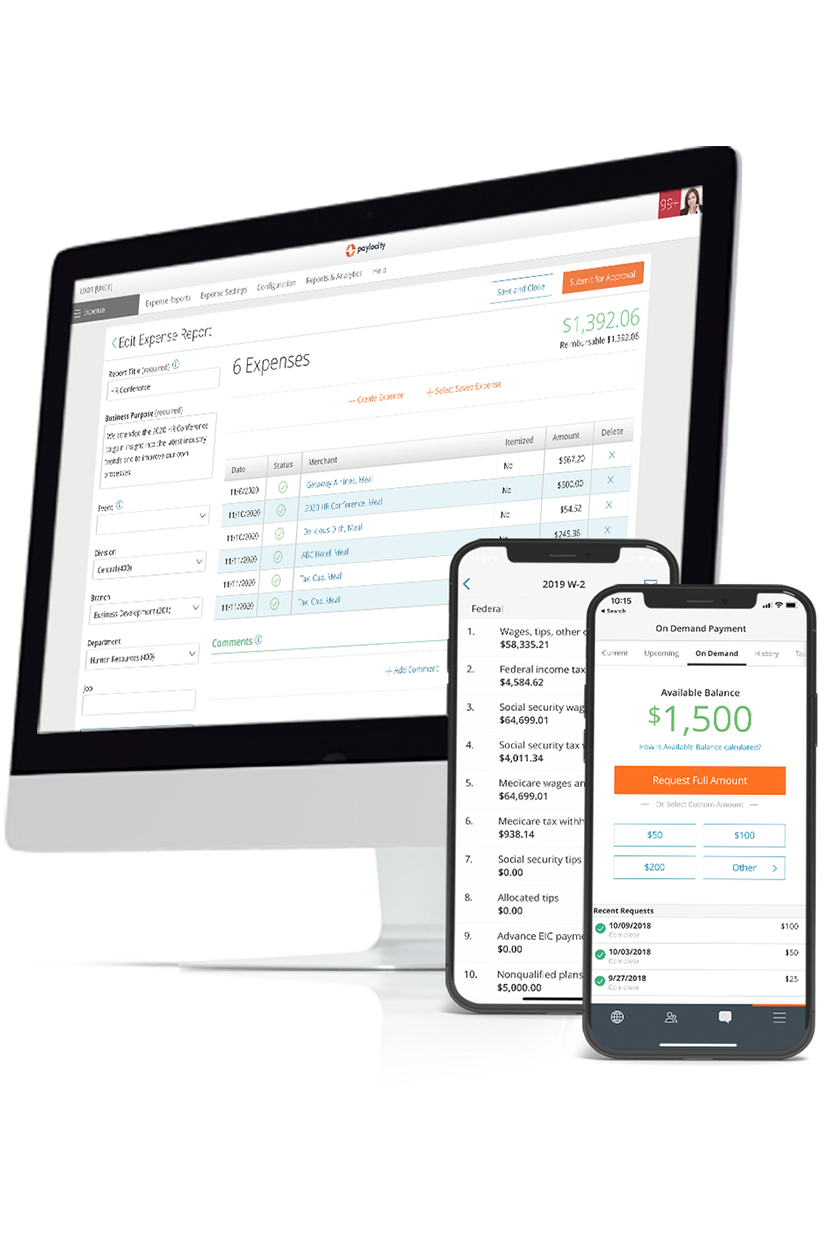
Save time with stress-free Payroll Solutions
Payroll doesn’t have to be complicated, but it does have to be right. Stay compliant, collect employee data, and streamline tax filing – all while putting time back in your day with our automated payroll software. With the assurance of an error-free workflow, you can get back to what matters most – your people. Learn how our modern solutions get you out of the tactical and back to focusing on the bigger picture.