5. Open Lines of Communication
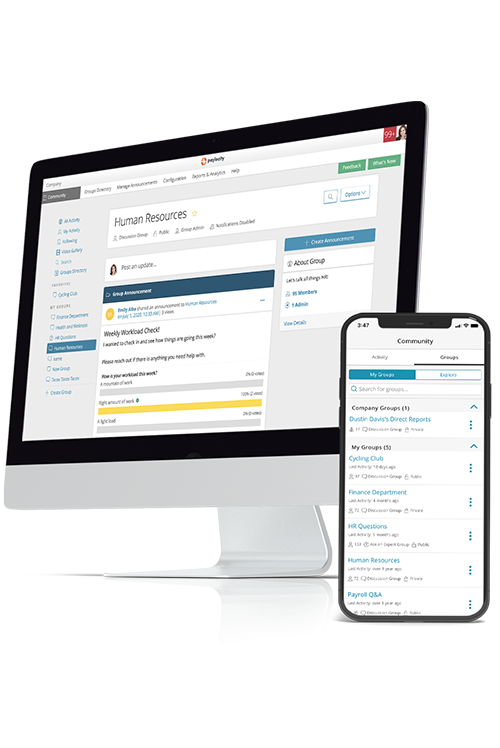
In a 2021 survey of American workers, half of the respondents indicated that a lack of communication contributed to deteriorating work culture during the pandemic. And only one in four employees say leaders communicate regularly. Regardless of whether or not your workforce is in the office, in the field, or fully remote, maintaining strong communication is critical to building and maintaining company culture.
Actively solicit employee feedback. The easiest way to improve communication is to survey your employees about communication preferences. You can design a survey to ask employees how much communication they want, when, and what tools they prefer. Many employees want mobile options because it’s the technology they use daily and are most comfortable with. Offering communication on multiple devices gives employees the flexibility and freedom they want.
Schedule regular check-ins between employees and managers. Provide employees with structured time to touch base, voice concerns, ask questions, and problem-solve. One technique is to schedule stay interviews at least annually with employees to find out why they stay and what else they need to succeed.
6. Encourage Employee Autonomy
Employee satisfaction can plummet when employees are under the thumb of micromanagement. The research shows that employees who have time autonomy—the ability to choose when and where they work—report positive impacts on employee experience elements like belonging, motivation, trust in leadership, trust in the team, and mental well-being. What do all of these factors have in common? They represent employee engagement.
When employees perceive the fruits of their labor as self-directed, they’re more likely to be engaged, satisfied, and productive. So how can you embed autonomy in your work culture?
Show your employees you trust them. Let them make decisions. Have an employee that played a key role in a project lead the client presentation. Ask for their input on strategy and direction. Train managers and leaders to step back and let employees contribute.
Invest in self-service technology. You can also give your employees autonomy in other ways, such as opting for HRIS software with self-service options. That way, employees can clock in and out, check paystubs, request time off, and update personal data without needing HR to hold their hands. In turn, HR can eliminate administrative burdens and focus on high-level work. You can also empower employees to take advantage of professional development opportunities through self-guided courses or peer-driven training sessions hosted in a Learning Management System.
7. Embrace Workplace Flexibility
McKinsey’s American Opportunity Survey indicates that when employees have flexible work options, 87% embrace them. Controlling how your employees work can cause them to disconnect and divest from corporate culture, so it’s important to listen to your employees needs when it comes to scheduling and work environments. But flexibility doesn’t just mean offering remote or hybrid workspaces. Industries and roles that can’t support a telecommuting option can still provide levels of flexibility for their workforce.
Try these strategies for incorporating flexibility, whether your organization is hybrid, remote, or on-site:
Get to know your employees’ preferences for work environments. Some employees may need in-person touchpoints to succeed in their roles. Others still may not have the setup necessary to succeed remotely. For employees needing quiet, uninterrupted time to do their best work, your open-office layout may not be the best environment for their productivity. The best way to build a flexible work culture is to tap into the needs of your employees. Leverage surveys or one-on-one meetings to understand what flexibility means to your unique workforce.
Offer flexibility on the shift level. If your industry makes embracing hybrid or remote options challenging, consider shift swapping. Not only does this give employees control over their schedule, but it’s also a strategy for ensuring shifts are covered.
8. Prioritize Learning and Development
According to SHRM, half of employees believe they need to learn new skills in the next year. Yet, one-third feel less-than-optimistic about opportunities to learn those skills. A majority—80%—don’t believe their employer offers growth opportunities. And organizations that fall short with professional development offerings may see employee retention drop.
Employers can make a strong commitment to professional development by embracing a culture of learning. Embed learning into your culture by making employee development opportunities easily accessible and a part of regular-work life.
Go digital to meet your employees’ learning and development needs. A robust learning management system (LMS) should offer flexible learning options like webinars, eCourses, and bite-sized video learning. Better yet, an LMS with mobile capabilities means employees can learn and grow wherever and whenever they want.
Create individual development plans. To show employees that L&D is top of mind, establish a growth plan with new hires immediately, track progress over time in your talent management software, and celebrate when they achieve their goals. Connect learning and development to other parts of the employee experience, such as promotions, raises, and as part of your recognition programs.
How to Improve Culture Virtually
As many organizations have remote or hybrid work environments, it’s vital to know how to improve culture virtually. Hybrid and remote teams can still foster a strong company culture by embracing a flexible, connected, and consistent employee experience. Consider the following tactics:
- Use video to incorporate face-to-face connections.
- Opt for communication tools that are user-friendly and accessible anywhere, such as a social collaboration hub with chat features and mobile options.
- Simplify scheduling and shift management with self-service options.
- Schedule virtual check-ins to talk about goals and have employees do self-appraisals ahead of time.
- If you have in-person employees and hybrid or remote, have everybody use the same tools to ensure an equitable experience.
Check out our article on building a hybrid work culture for more tips on connecting with your employees in an increasingly remote world.
Improve Culture With HR Technology
Only 21% of employees are engaged at work, and only 33% are genuinely thriving. Thankfully, there are a variety of strategies HR teams can use to address this engagement gap and strengthen company culture.
Many of the aforementioned strategies can be executed with the right HR technology. To truly maximize the potential of your organization, you need a sophisticated HR and payroll solution that goes beyond just automation.
Learn more about how HR tech can be a valuable asset when building connection and culture in the workplace.