Leave of absence
Summary Definition: An approved period away from work during which an employee keeps their employment status but isn’t performing job duties.
Key takeaways
- A leave of absence covers approved time away from work for reasons ranging from medical care to family responsibilities, and it can be either legally mandated or offered entirely at the employer's discretion.
- Mandatory leave is legally required and guarantees job protection, while voluntary leave is offered at the employer's discretion with terms set entirely by internal policy.
- Employers need to track which leave types carry job protection and continued benefits, since mandatory leaves like FMLA guarantee reinstatement while voluntary leaves depend entirely on internal policy.
What is a leave of absence?
A leave of absence (LOA) is an approved, extended period away from work, separate from the day-to-day accrual system most companies use for vacation or personal days.
Instead of drawing down a bank of paid hours, an employee on a leave of absence steps away from their role for a defined period while their employee leave status remains active, whether the reason is a serious illness, the arrival of a child, a family emergency, or military duty.
Types of leave of absence
Leaves of absence fall into two broad categories based on whether the employer is legally required to grant them.
Mandatory leave
Mandatory, or legally protected, leave is required under federal or state law and typically guarantees job protection and continued benefits for the duration.
Examples include FMLA leave for a serious health condition, state paid family and medical leave (PFML) programs, and military leave under USERRA. Employers can’t deny these leaves to eligible employees or penalize them for taking the time.
Voluntary leave
Voluntary, or discretionary, leave is offered at the employer's discretion and isn't required by law. Sabbaticals, personal leaves of absence, and extended leave for education or relocation fall into this category.
Because voluntary leave isn't legally mandated, employers set their own rules around pay, duration, and job protection, and those terms should be clearly detailed in a written leave of absence policy.
Leave of absence vs. Paid time off
LOA and paid time off (PTO) both give employees time away from work, but they differ in purpose, length, and protections.
| Factor | Leave of absence | Paid time off |
|---|---|---|
| Typical length |
Weeks to months
|
Hours to days |
| Pay status |
Often unpaid unless a paid leave law applies
|
Paid from an accrued balance |
| Reason required | Yes, tied to a qualifying event | No, employee's discretion |
| Job protection | Guaranteed for mandatory leave types | Not applicable; employee remains actively employed |
| Approval process | Requires documentation and a formal request | Simple manager approval |
Employer responsibilities for managing LOA
Employers administering leave of absence requests need a consistent process for tracking eligibility, documentation, and return-to-work dates, since mismanaging any of these steps creates compliance risk and employee-relations strain. A clear leave of absence policy that fully covers which leave types apply and what documentation each requires goes a long way toward keeping requests consistent across the organization.
Key employer responsibilities include:
- Determining eligibility: Confirm which leave laws or policies apply, such as FMLA, state PFML, or company-specific leave, and whether the employee meets the relevant thresholds.
- Collecting documentation: Request and track medical certifications, military orders, or other required proof within applicable timeframes.
- Tracking leave usage: Monitor how much leave has been used against the relevant entitlement, especially when multiple leave types run concurrently.
- Communicating terms clearly: Notify employees of leave duration, pay status, and job protection, so expectations are set from the start.
- Planning for return to work: Confirm the expected return date after approved leave, coordinate any necessary role coverage, and reinstate the employee to the same or an equivalent position when required by law.
- Maintaining compliance across jurisdictions: Apply the correct rules when federal, state, and local leave laws overlap or differ.
Is an employee's job protected during a leave of absence?
Job protection depends entirely on which leave applies. Employees on FMLA or a covered state PFML leave are entitled to reinstatement to the same or an equivalent position when they return, while employees on a purely voluntary leave depend on whatever the employer's policy promises.
HR teams should confirm which protections apply before approving a request and communicate them clearly, since misclassifying a leave can expose the organization to legal risk under laws protecting unpaid leave and family leave rights.
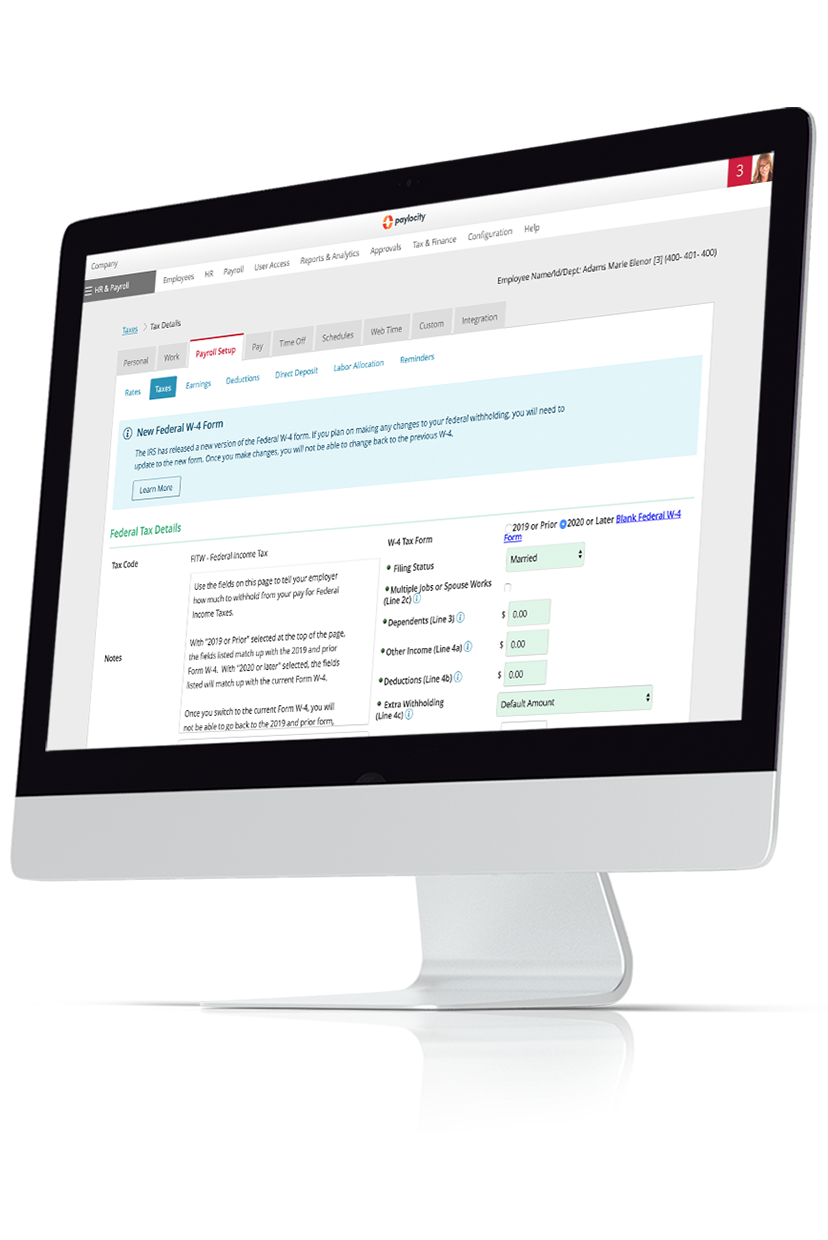
Get taxes done right, without the stress
We know there's a lot that goes into preparing and filing payroll tax forms. Save time and get support from our expert team. As a Registered Reporting Agent with the IRS, we can help prepare and file all the necessary forms you need to remain compliant - even in the face of changing legislation. Learn more here.